Mesh Integration
Is Mesh Integration right for you?
Hair Loss Conditions
Individuals with Trichotillomania (Hair Pulling Disorder), Alopecia Areata, Thyroid Disorders, Lupus, Polycystic Ovary Syndrome (PCOS) and other medical conditions
Thinning Hair
People with noticeable thinning at the crown or top of the head who have enough remaining hair to support a mesh base
Post-Pregnancy or Medical Loss
Those experiencing, or recovering from, temporary or permanent hair loss due to hormonal shifts, cancer, radiation, chemotherapy or other medical treatments
Age Related Hair Loss
Appropriate if you are experiencing hair loss due to the natural aging process and changes in hormone levels
Hair Loss Due to Medications
Certain drugs, including those for high blood pressure, arthritis, depression, and more, can cause hair loss as a side effect
Mesh Integration is generally not suitable for individuals with completely smooth/bald scalps (no hair to attach to) or those looking for a daily-removal wig option
What is Mesh Integration?
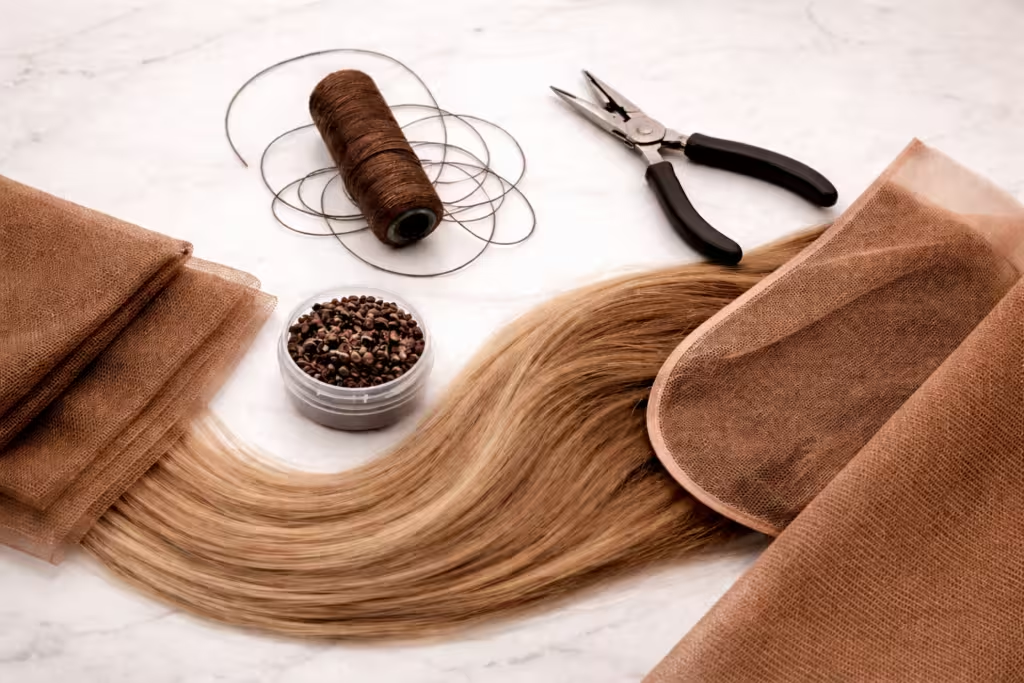
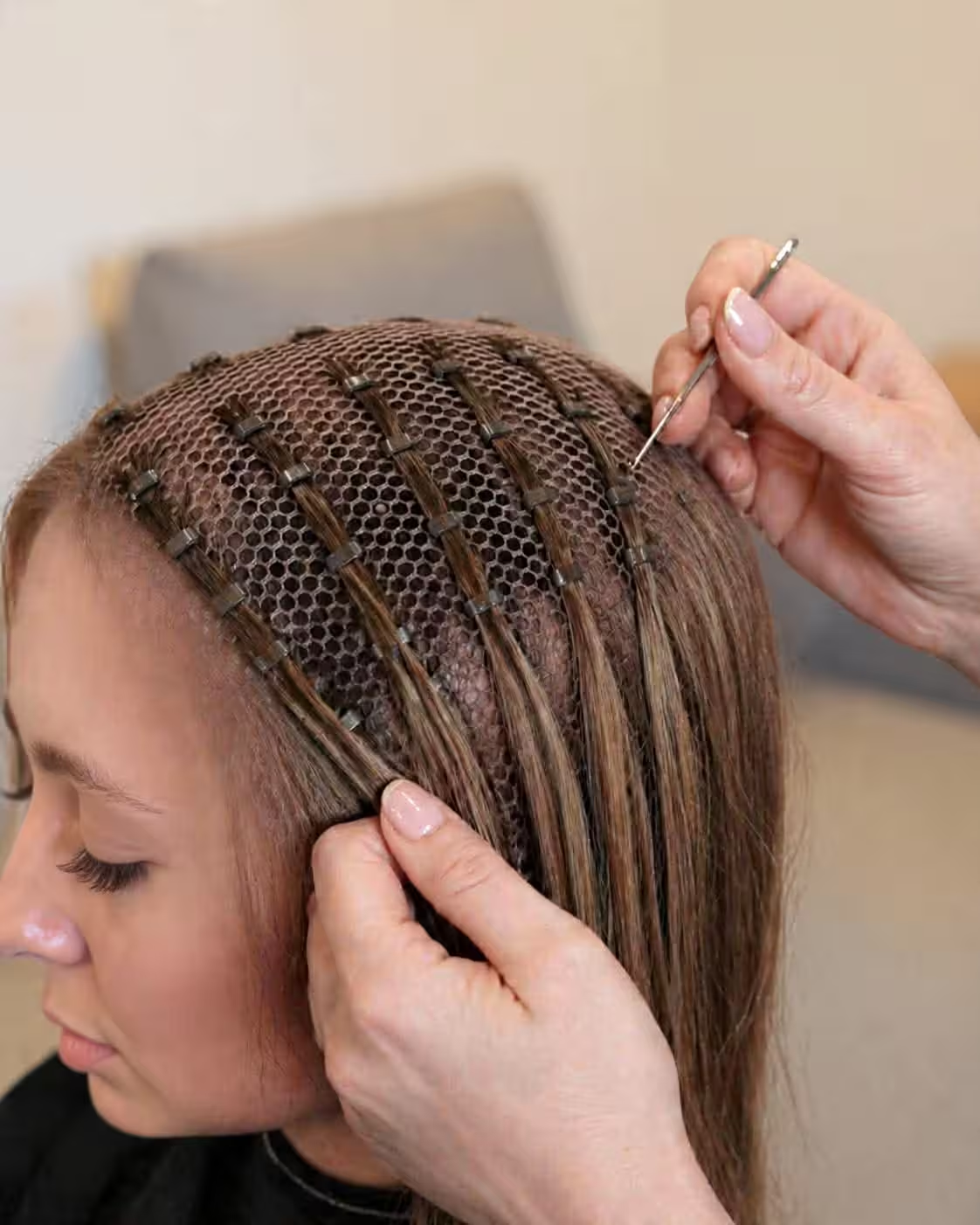
Mesh Integration is a non-surgical hair replacement system which offers natural looking coverage and added volume in areas where traditional extensions may not be suitable.
Unlike conventional extension techniques, mesh integration creates a soft, breathable foundation that gently supports the hair, allowing extensions to be securely attached even in areas with minimal density making it ideal for those wanting a secure, comfortable and long-term solution.
Maintenance and care
Like all professional extension services, mesh integration requires regular maintenance to keep the system secure and your natural hair healthy.
Maintenance appointments typically include:
- Adjusting and repositioning the mesh base
- Re-balancing the extensions
- Checking scalp health and hair growth
- Refreshing the overall look
We will recommend a maintenance schedule based on your hair growth and lifestyle. Maintenance appointments are typically every six to eight weeks.
Frequently asked questions
What is the difference between Mesh and Meshless Integration?
Mesh Integration uses a breathable mesh base to support hair extensions, making it ideal for moderate-to-advanced hair loss (30%–70%) requiring full coverage. Meshless Integration uses micro-beads for a direct-to-hair attachment, offering a lighter more breathable solution for mild-to-moderate thinning (20%–30% loss) without a mesh base.
Will mesh integration damage my natural hair?
When applied and maintained properly by a trained professional, mesh integration is designed to be gentle on the hair and scalp. The breathable mesh base distributes weight evenly to minimize stress on delicate hair.
Will it look natural?
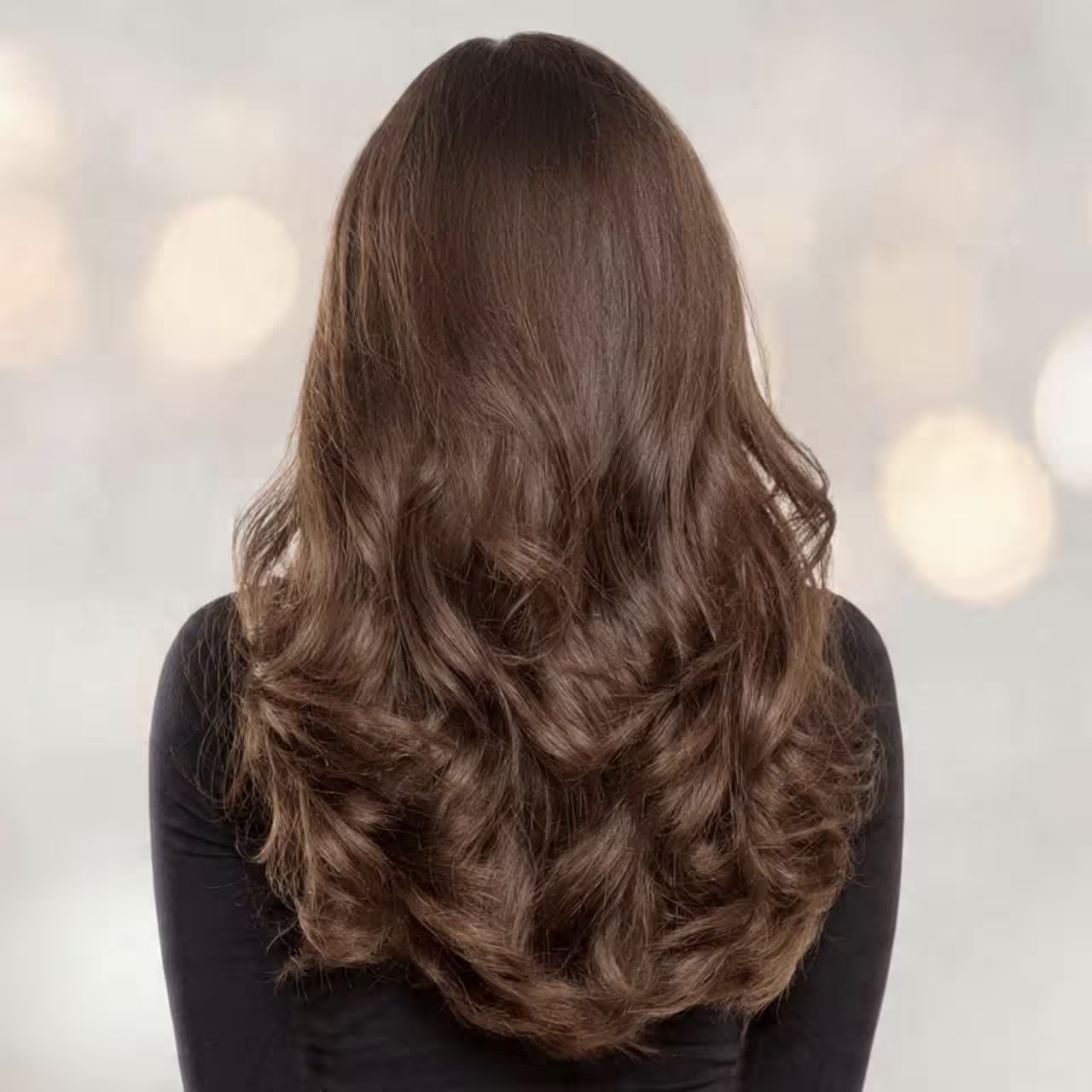
Yes. Mesh integration is customized for each client to blend seamlessly with your natural hair color, texture, and density.
Can I style my hair normally?
In most cases you can style your hair similarly to natural hair, including curling, straightening, and wearing it in various styles.
Mesh and Trichotillomania
Mesh Integration has proven to be a beneficial option for those with Trichotillomania as the system can act as a puller barrier.
How long does Mesh Integration last?
The longevity of the system depends on proper care and with regular maintenance appointments, can last up to one year before having to replace the Closure.
What if I don’t know the cause of my hair loss?
If you are not sure of the cause of your hair loss, it’s always a good idea to check with a dermatologist or health care provider to determine the cause and get the most appropriate treatment.
Consultation
Because every client’s hair and scalp condition are different, a personal consultation is required before booking a mesh integration service.
We recognize that hair loss can be a sensitive topic for many clients. All consultations are conducted in a private, supportive setting where we take the time to understand your concerns and goals. During this appointment we will assess your hair and create a customized plan with pricing, designed to give you the most natural and comfortable results possible.